Window Tint for Home: Heat, Privacy & Savings
By
Bennett
Published on
October 24, 2023
Read time
4 min read
What is window tint for home
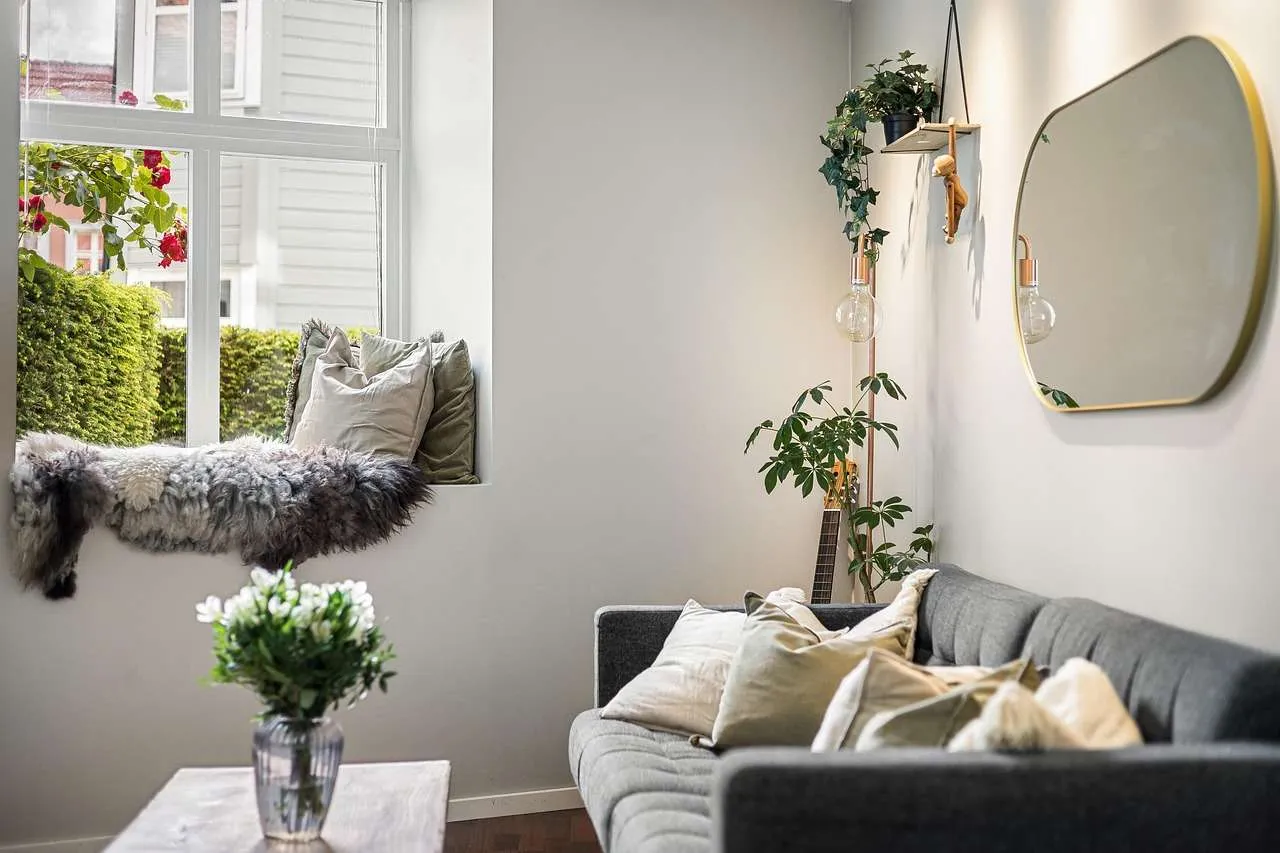
Window tint for home refers to a thin film applied to the interior surface of glass to improve heat control, UV blocking, and privacy without sacrificing daylight. Modern films are durable, non reflective, and designed to work on a variety of window types including single pane, double pane, and insulated glass units. For homeowners, the right tint minimizes heat gain, preserves furnishings, and creates a more comfortable living environment.
Why homeowners choose window tint
- Reduce heat gain and glare for a cooler home during hot seasons
- Block UV rays to protect flooring, furniture, and art from fading
- Increase daytime privacy without sacrificing natural light
- Enhance comfort by evening out interior temperatures
- Lower energy costs through improved insulation and reduced AC load
Types of window tint for home
Dyed window tint
Dyed films add color and reduce glare by absorbing light. They are cost effective and simple to install, but may show lower durability over time and can fade in very sunny climates.
Metalized window tint
Metalized films incorporate reflective metal particles that dramatically improve heat rejection and strength. They can create a slight mirror effect from the outside and may interfere with certain electronic signals, so consult professional guidance for multi pane installations.
Ceramic window tint
Ceramic films are non metal and provide high heat rejection, excellent UV protection, and strong glare control. They are among the most durable and maintain higher clarity, but typically come at a higher upfront cost.
Carbon window tint
Carbon films absorb heat and reduce infrared transmission while maintaining a natural color. They offer good UV protection and a modern appearance with less reflectivity than metalized options.
Hybrid window tint
Hybrid films blend dyed and metalized layers to balance cost, heat rejection, and visibility. They are a versatile option for homeowners seeking performance without high price tags.
How to choose the right window tint for home
Start by assessing climate and sun exposure for each room. Consider the VLT value or visible light transmission, which determines how much natural light you retain. For rooms with intense sun, aim for higher heat rejection and UV protection without making interiors too dark. If privacy is a priority, select films with stronger daytime privacy while still preserving daylight. Always check the film warranty, safety ratings for impact resistance, and compatibility with your window type. For homes with heat pumps or solar controls, coordinate with an energy professional to estimate energy savings.
Installation options and legal considerations
Most residential projects are well served by professional installation. A trained installer will prepare the glass, cut the film precisely, remove bubbles, and seal edges to prevent peeling. DIY installations can save money but risk air pockets, edge lifting, or warranty voiding. While home tint laws are generally less strict than car tint laws, check with local building codes, homeowners associations, and window manufacturers if there are any restrictions or warranty implications for tinted glass projects.
Cost and return on investment
Costs vary by film type, window size, and labor. Typical installed pricing ranges from a modest amount for basic dyed films to higher ranges for ceramic and carbon films. While upfront costs should be weighed against long term energy savings, most homes see improved comfort and furniture protection that contributes to a favorable ROI over several years, particularly in hot sunny climates. When budgeting, include potential maintenance and replacement cycles, as some films may require reapplication after a decade.
Comparison of common window tint types
| Type | Heat Rejection | UV Rejection | Glare Reduction | Durability | Cost |
|---|---|---|---|---|---|
| Dyed | Moderate | Good | Moderate | Moderate | Low |
| Metalized | High | Good | High | High | Moderate |
| Ceramic | High | Excellent | High | Very High | High |
| Carbon | High | Very Good | Moderate | High | Moderate |
| Hybrid | High | Good | Moderate | High | Moderate |
Maintenance and care
Cleaning window tinting is straightforward. Use a soft microfiber cloth, mild soap, and water. Avoid ammonia-based cleaners that can degrade coatings. Inspect edges periodically for air bubbles or peeling, and have warranty service performed by a qualified installer to preserve performance and appearance.
Conclusion, window tint for home provides heat rejection, UV protection, privacy, and comfort while supporting energy efficiency. By selecting the right film type, ensuring proper installation, and considering local codes and warranties, homeowners can achieve meaningful long term benefits.