Home Window Tinting: Benefits and Guide
By
Logan
Published on
October 24, 2023
Read time
5 min read
What is home window tinting
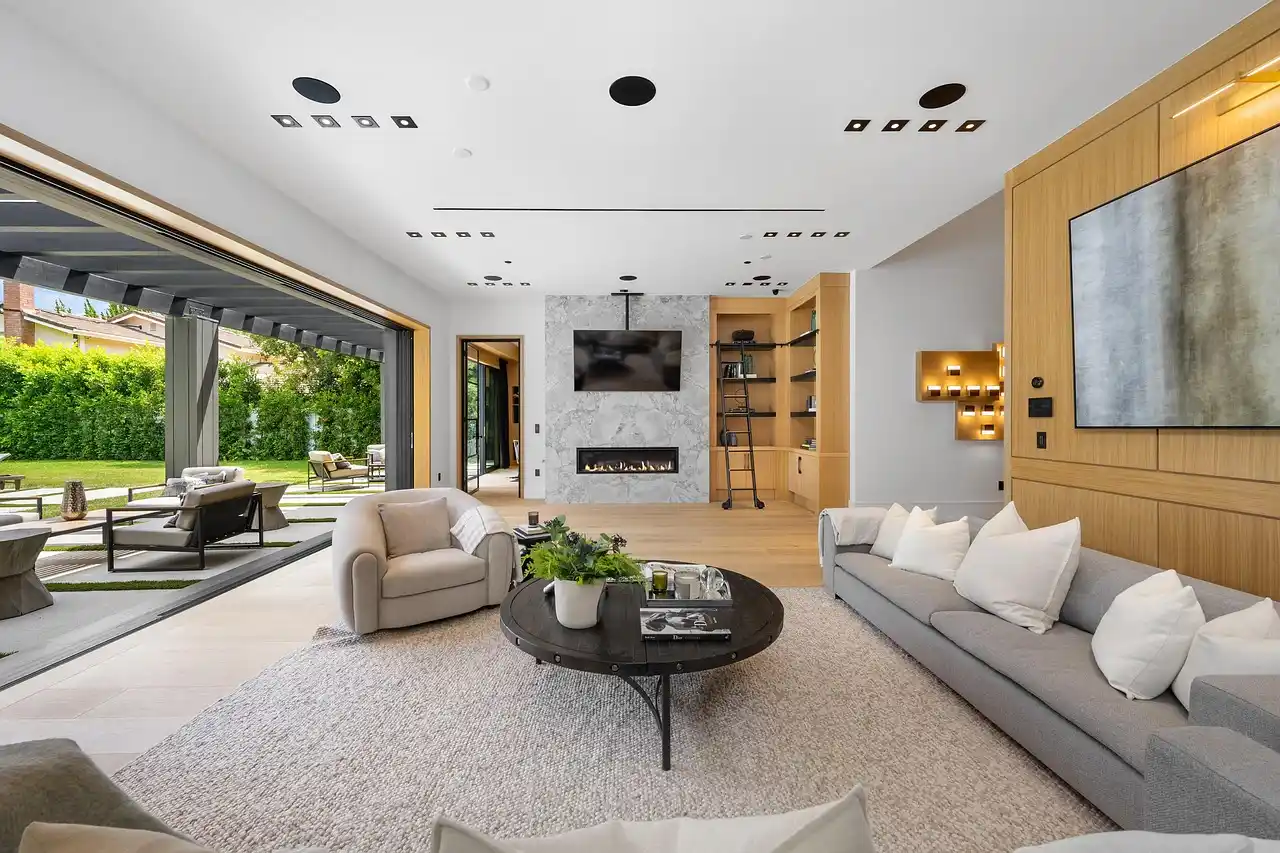
Home window tinting involves applying a thin film to interior or exterior glass surfaces to reduce heat, glare, and UV exposure while maintaining visibility. Modern films are engineered to balance comfort with aesthetics, offering energy savings without significantly altering the appearance of your windows. Professional installation ensures an even, durable coating that lasts for years and can be tailored to climate, orientation, and local regulations.
When done correctly, home window tinting can transform living spaces by stabilizing indoor temperatures, protecting furnishings from sun damage, and improving overall comfort. It is not the same as decorative window films used purely for style; tint films are designed for performance, safety, and efficiency.
Types of tint films
Tint films come in several formulations, each with distinct advantages. Understanding their differences helps you choose the right option for your home and budget.
Dyed tint
Dyed films are the most economical option. They absorb solar energy to reduce glare, but their color can fade over time if exposed to intense sunlight. They offer good privacy and are often a budget-friendly entry point for home tinting.
Metalized tint
Metalized films reflect a portion of solar energy, providing strong glare and heat rejection. They can interfere with electronic signals if installed on certain windows, so it is important to discuss the wiring and devices in the home with the installer.
Ceramic tint
Ceramic films use nonconductive ceramic particles to block heat and UV without affecting signal transmission. They offer excellent clarity, high IR rejection, and long-term durability, making them a popular choice for energy efficiency and comfort.
Carbon tint
Carbon-based films reduce solar heat while maintaining a dark appearance without the shiny look of metalized films. They resist fading and offer balanced glare reduction with good optical clarity.
Dual-reflective or specialty films
Dual-reflective films provide different light transmission on the interior and exterior, enhancing privacy and heat control. Specialty varieties address specific needs, such as enhanced UV protection or compatibility with large pane configurations.
Benefits of home window tinting
Choosing the right tint can deliver multiple advantages, including:
- Lower energy costs through reduced solar heat gain, particularly in hot climates or sunlit rooms.
- UV protection that helps prevent fading of furniture, carpets, and artwork by blocking up to 99% of ultraviolet rays.
- Glare reduction, making screens and workspaces more comfortable and reducing eye strain.
- Improved privacy without sacrificing exterior visibility, especially with higher VLT ranges and privacy films.
- Enhanced safety and security, as the laminated film holds glass together in the event of breakage.
While tinting can improve comfort, it is not a substitute for professional window insulation in extremely cold conditions. In some regions, building codes or HOA rules may specify permitted VLT levels or reflectivity, so verify local regulations before installation.
How to choose and install
To get the best results, follow a structured approach:
- Define goals: energy savings, privacy, glare control, or protection of interiors.
- Evaluate climate and home orientation: south-facing windows typically benefit most from tinting.
- Check local rules: some areas limit reflectivity or require specific VLT percentages.
- Consult a certified installer: look for IWFA or equivalent credentials, warranty coverage, and laser-cut precision for large or curved panes.
- Request multiple quotes and samples: compare VLT, IR rejection, visible light, and tint color to match your design.
Installation typically involves cleaning the glass, applying a pre-cut film piece, smoothing out bubbles, and trimming edges. A professional job ensures edge sealing and bubble-free adhesion, which extends the film’s life. For homes with energy performance goals, discuss whether a dual-pane or insulated glass unit benefits from tinting, as some modern IGUs respond differently to tint films.
Cost, maintenance, and ROI
Costs vary by film type, window size, and labor. Expect a range of approximately $5 to $12 per square foot for residential installations, with higher-end ceramic or carbon films costing more but delivering greater long-term energy savings. ROI depends on climate, window orientation, and energy prices, but many homeowners recoup a significant portion of the installation cost within a few years through reduced cooling loads and extended furniture life.
Maintenance is straightforward: clean with a soft, non-abrasive cloth and a mild soap solution. Avoid abrasive cleaners or tools that can scratch the film. If you notice peeling or bubbling along the edges, contact your installer for inspection or reapplication under warranty terms.
Tint film type comparison
| Type | VLT | IR Rejection | UV Rejection | Pros | Cons | Estimated Cost |
|---|---|---|---|---|---|---|
| Dyed tint | 5-70% | Moderate | Good | Affordability, glare control | Fades over time, color can shift | 2-6 per sq ft |
| Metalized tint | 5-60% | High | Good | Strong heat rejection, durability | Possible signal interference | 3-8 per sq ft |
| Ceramic tint | 20-60% | Very High | Excellent | Clear view, superior IR control | Higher cost | 6-12 per sq ft |
| Carbon tint | 10-60% | High | Very Good | Non-reflective, fade-resistant | Costlier than dyed | 5-10 per sq ft |
| Dual-reflective | 5-40% | Moderate | High | Enhanced privacy, strong exterior reflection | May alter exterior look | 4-9 per sq ft |
Conclusion and practical takeaways
Home window tinting offers a practical path to cooler rooms, UV protection for furnishings, and improved privacy, all while supporting energy efficiency. By understanding film types, local regulations, and installation considerations, you can select a solution that fits your climate, aesthetic, and budget. Work with a qualified, insured installer, review warranties, and request samples before committing. A well-chosen tint can enhance comfort and value for years to come.
Conclusion, with thoughtful selection and professional installation, home window tinting delivers measurable benefits in comfort, protection, and efficiency while preserving the look and feel of your living spaces. In the end, the right tint is the one that balances visibility, performance, and cost for your home.