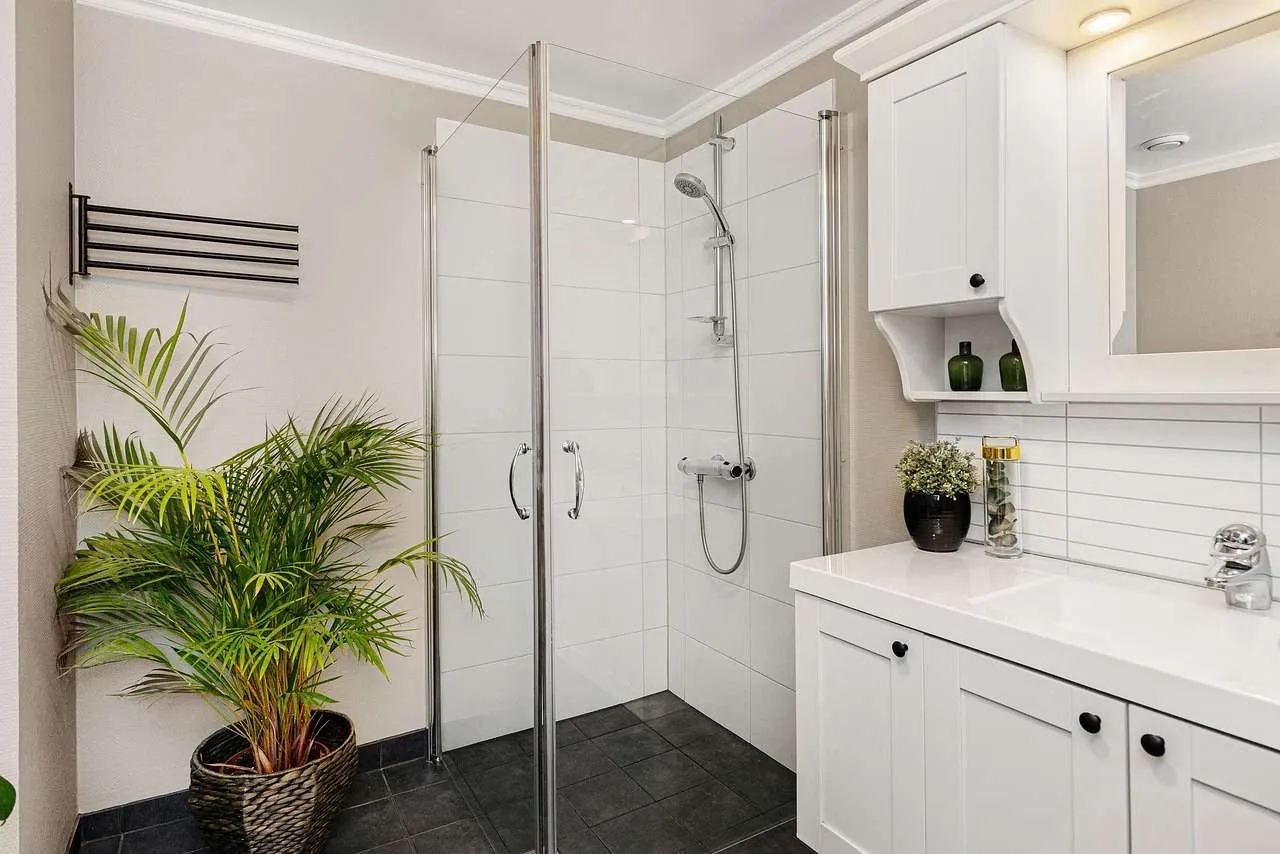
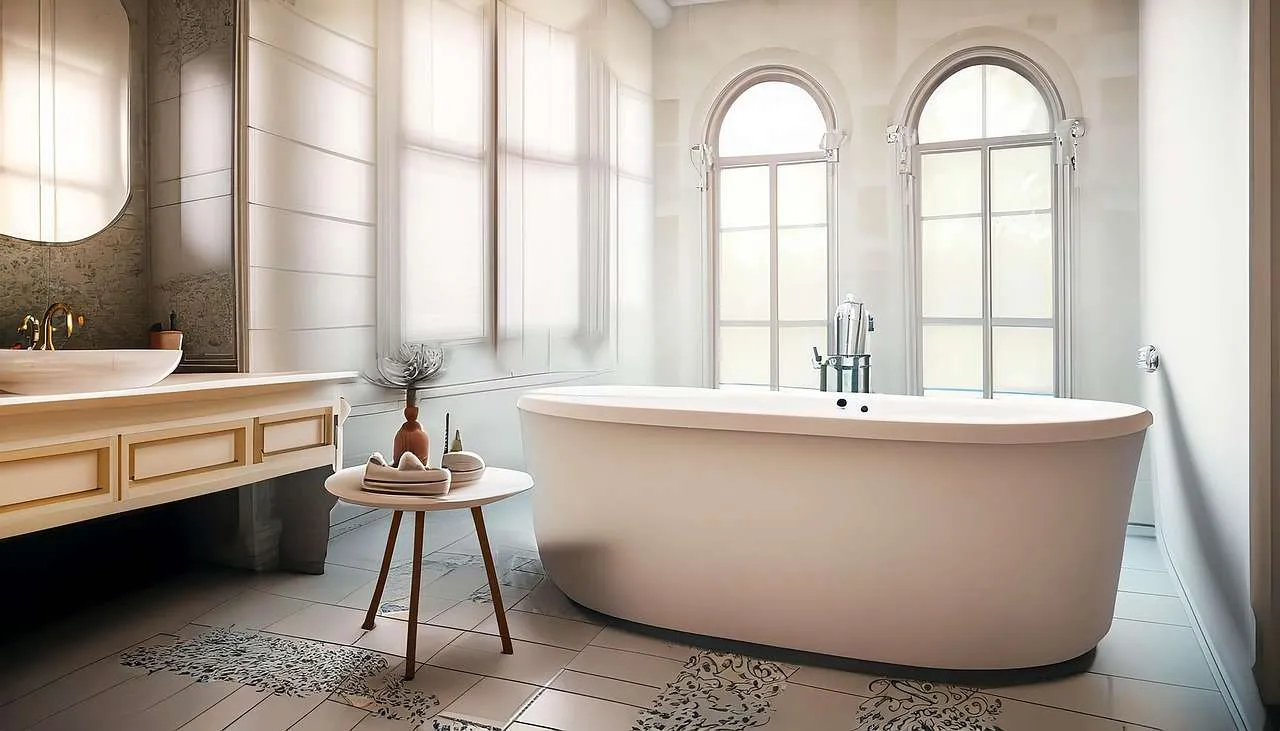
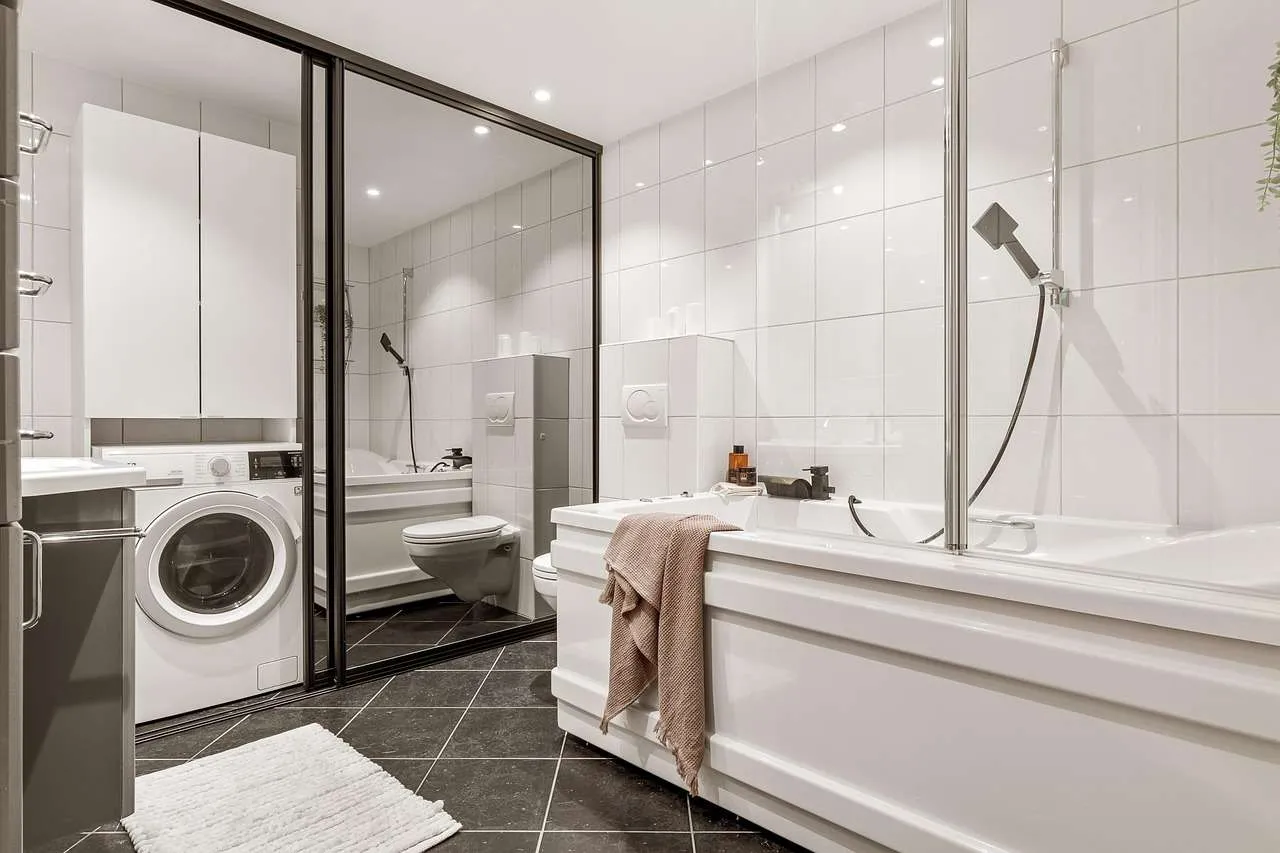
Bathroom Tile: Design, Install, and Care
By
Charlotte
Published on
October 24, 2023
Read time
2 min read
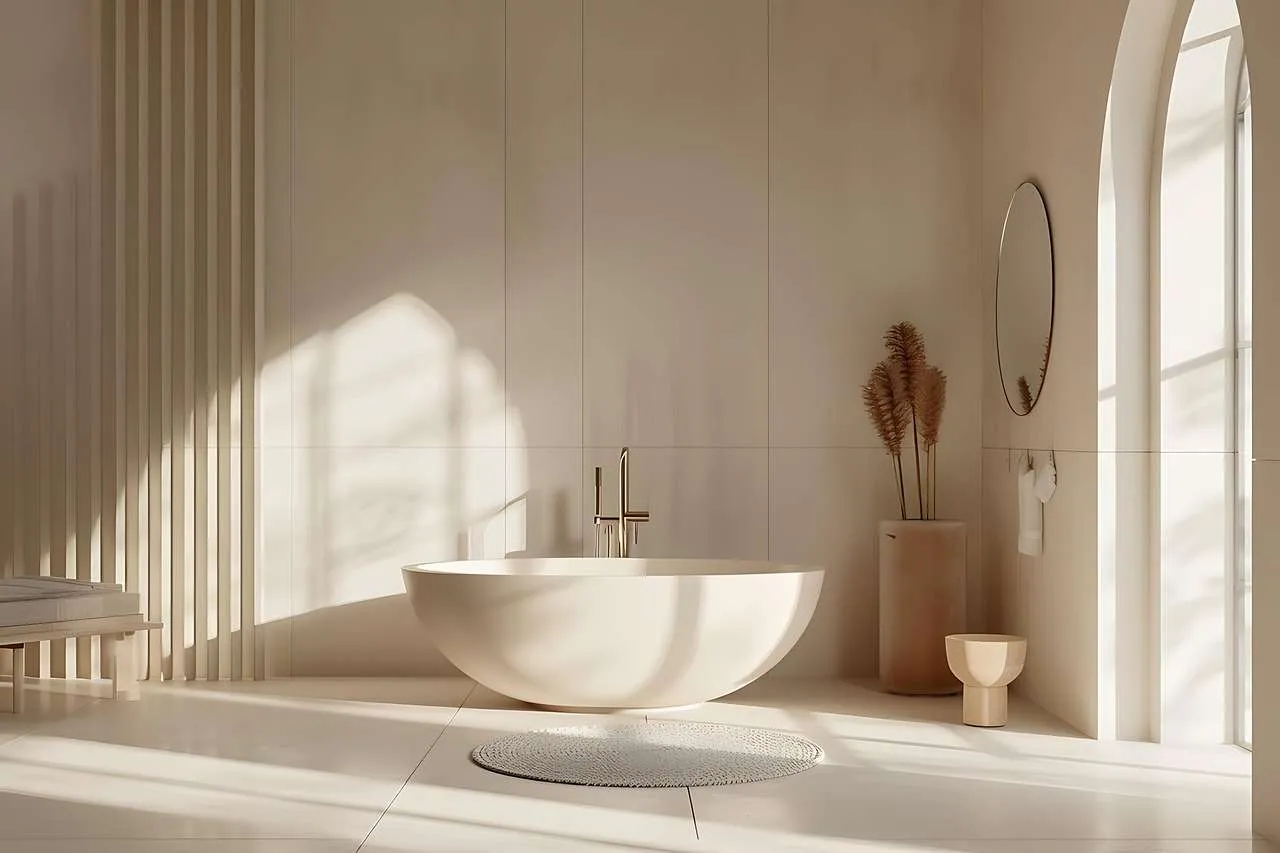
Choosing bathroom tile is a blend of style and science. The right tile resists moisture, cleans easily, and stands up to daily use, while a thoughtful design elevates the bathroom experience. This guide explains how to select bathroom tile, compare materials, plan patterns, install correctly, and maintain a beautiful result for years.
Types of bathroom tile
Ceramic Tile
Ceramic tile is an affordable choice that's easy to cut and install. It’s made from clay and fired with a glaze on the surface. For most bathrooms, ceramic tile works well on walls and backsplashes and can be a practical option on floors in low-traffic areas. It’s less dense than porcelain, so it may show wear sooner in high-traffic showers, but with proper maintenance it remains a reliable option.
Porcelain Tile
Porcelain is a dense, highly water-resistant tile that’s ideal for showers and splash zones. It often has a lower water absorption rate than ceramic, and many porcelain tiles are suitable for both floors and walls. Available in many sizes and finishes, porcelain can mimic stone or ceramic looks while offering greater durability.
Glass Tile
Glass tiles add sparkle and a modern feel to bathrooms. They’re non-porous and easy to clean but can chip if struck and grout lines may require periodic cleaning to remove soap scum. They’re popular for backsplashes, showers, and accent bands rather than full-floor installations.
Natural Stone
Natural stone such as marble, travertine, or slate brings luxury and unique veining. Stone is porous and typically requires sealing to repel moisture and stains. It’s best used in dry zones or in showers with a sealed, slip-resistant surface and regular maintenance to protect the finish.
Large-format and other options
Large-format tiles (12x24 inches or bigger) create fewer grout lines and a seamless look. Glass mosaics provide color and texture in small spaces. Porcelain and ceramic can also be rectified to create tight butt joints for a high-end appearance.
Materials and how to choose
When choosing bathroom tile, consider moisture exposure, foot traffic, maintenance, and your design goals. Key metrics to compare include water absorption, abrasion rating (PEI), slip resistance (COF), and finish. For floors in wet zones, choose tiles with low water absorption (<0.6%) and a high PEI rating (III or higher) for durability. For walls, you can trade durability for ease and cost, although many porcelain or ceramic tiles are used on walls as well.
- Water absorption: Porcelain tiles meet or exceed 0.5% water absorption; ceramic is higher and may require more care in wet areas.
- Finish and slip resistance: matte or textured finishes offer better grip in showers and tub surrounds than high-gloss surfaces.
- Use-case: backsplashes and walls have different requirements than shower floors and tub surrounds.
- Sealing: natural stone often needs sealing; porcelain/ceramic usually do not.
Design ideas and patterns
Tile patterns shape the bathroom’s visual rhythm. Classic subway tile laid in a brick pattern offers clean lines, while herringbone or chevron patterns add movement. Mosaic sheets are ideal for showers and small spaces, and large-format tiles minimize grout lines and create a contemporary look. Color palettes can range from crisp whites and neutrals for a timeless bathroom to bold blues or greens for a spa-like vibe. When designing, balance tile scale with room size.
Installation basics
- Plan layout: snap chalk lines for alignment, offset patterns, and bathroom fixtures.
- Prepare substrate: ensure a flat, clean surface; repair any cracks.
- Waterproofing: install a waterproof membrane or backer board in wet zones, especially showers and tub surrounds.
- Adhesive and setting: choose thin-set mortar appropriate for tile type and substrate; use spacers for even grout lines.
- Grouting and sealing: grout after setting and seal any porous stone or natural stone; sealant helps protect against stains and moisture.
Maintenance, sealing, and care
Regular cleaning with a pH-neutral cleaner prevents soap scum and mineral buildup. Avoid acidic products on natural stone and polished surfaces. Grout lines can darken with moisture; sealing porous stone and epoxy or pre-mixed grouts can extend life. Perform routine inspections to identify and repair cracked tiles or loose grout before water infiltration occurs. If you’re unsure about sealing or repairs, consult a licensed tile installer to protect warranty and ensure proper waterproofing.
Cost, durability, and buying tips
Costs vary by material, size, and pattern. Ceramic tile tends to be the most affordable option, porcelain offers a balance of cost and durability, glass provides a premium look, and natural stone is typically the most expensive due to sealing and maintenance. For floors, prioritize porcelain or high-quality ceramic with a suitable PEI rating and slip resistance. In wet areas like showers, professional installation and proper waterproofing are crucial to long-term performance.
| Tile Type | Pros | Cons | Typical Cost | Maintenance |
|---|---|---|---|---|
| Ceramic | Affordable; easy to cut; wide styles | Less durable under heavy wear | Low | Low to moderate cleaning |
| Porcelain | Very durable; water resistant | Can be pricier; some finishes slippery | Mid | Low maintenance; resealing rarely needed |
| Glass | Bright, reflective look; non-porous | Chips; grout may show staining | High | Easy to clean; avoid harsh chemicals |
| Natural Stone | Luxurious; unique veining | Sealing needed; variable durability | High | Periodic sealing; regular care |
Summary: By choosing the right bathroom tile—material, size, pattern, and professional installation—you build a durable, stylish space that remains easy to maintain and visually fresh for years to come.